Living with Borderline Personality Disorder: The Storm, the Sun, and Everything Between
- Dec 6, 2025
- 15 min read
As someone who lives with Borderline Personality Disorder (BPD), I know that it can be hard to understand what that might look like on a daily. On a day where I might be particularly struggling, even getting out of bed is extremely difficult. I often with overanalyze every single thing happening in my life. Sleep becomes an escape from reality and the real or imagined problems in my world. I often will have insomnia from anxiety that never shuts off. I will replay conversations and situations. Thankfully melatonin helps with that.

If you are someone who has never experienced depression/anxiety/mental health issues, consider yourself lucky because it can feel like drowning quietly. Stress can cause me to be triggered and even the smallest things can set me over the edge. It is like that bad day you have when you feel so overwhelmed that if one more thing happens you will just lose it, then you stub your toe. That is like how it feels on a daily. When big stressors come into my life, I feel on the edge of a breakdown at all times. In the beginning, these events would make me go into this mode for months. Since being in therapy for nearly three years now, those "episodes" will last only a few days. It can be very debilitating, but learning coping skills have helped tremendously.
What BPD Actually Is (in human words)
BPD is a disorder of emotions, identity, and connection... where feelings hit like hurricanes instead of breezes. When I first noticed that I was having mental health issues (about 9th grade) I thought that I might be bipolar as my mood could change in an instant. However, after much deliberation with my therapist, we discovered that I really have BPD instead. The two disorders can mimic each other. But when came down to it, I was able to check off every single DSM 5 symptom.
These symptoms include:
Chronic feelings of emptiness
Emotional instability (intense episodic sadness, irritability, or anxiety)
Frantic efforts to avoid real or imagined abandonment
Identity disturbance (unstable self-image or sense of self)
Impulsive behavior
Inappropriate, intense anger or difficulty controlling anger
A pattern of unstable and intense interpersonal relationships (extremes between iodization and devaluation)
Recurrent suicidal behavior, gestures, threats, or self-harming behavior
Transient, stress related paranoid ideation or severe dissociative symptoms
Let's break down each of those symptoms and how they affected me.
Chronic feelings of emptiness:
This one is one I sometimes still experience, but not as often as I used to. This one is when I will not feel sad, mad, happy, or any emotions. I just simply am there. Empty is exactly the correct word.

Emotional instability (intense episodic sadness, irritability, or anxiety):
I still experience this, more often than I would like to admit. This exactly as it sounds... mood swings. One minute I will feel happy, then the next I will feel upset. I used to experience sadness a majority of the time and irritability. However, now it really mostly experience irritability.

Frantic efforts to avoid real or imagined abandonment:
This one I still experience quite often, but I am able to work through it and it is more of a fleeting feeling if anything. This one is like when you feel the end of a relationship coming but you don't want it to end so you try to save it. Except this happens no matter if it is something that you really actually care about or not. I have stayed in relationships in the past because I was absolutely terrified of rejection and ending up alone. I also sometimes will push away relationships because in my mind it is easier to not develop more feelings/attachment and walk away/push away. Most of the time, this is imagined.

Identity disturbance (unstable self-image or sense of self):
This means that I go from thinking that I am the best person to walk the earth to thinking I am a terrible person who does not deserve to live. It is extremely difficult to deal with this one. I do not really have the feeling that I am more amazing than maybe possible, I mostly will have the issue of thinking that I am terrible. However, this does not happen very often thankfully.

Impulsive behavior:
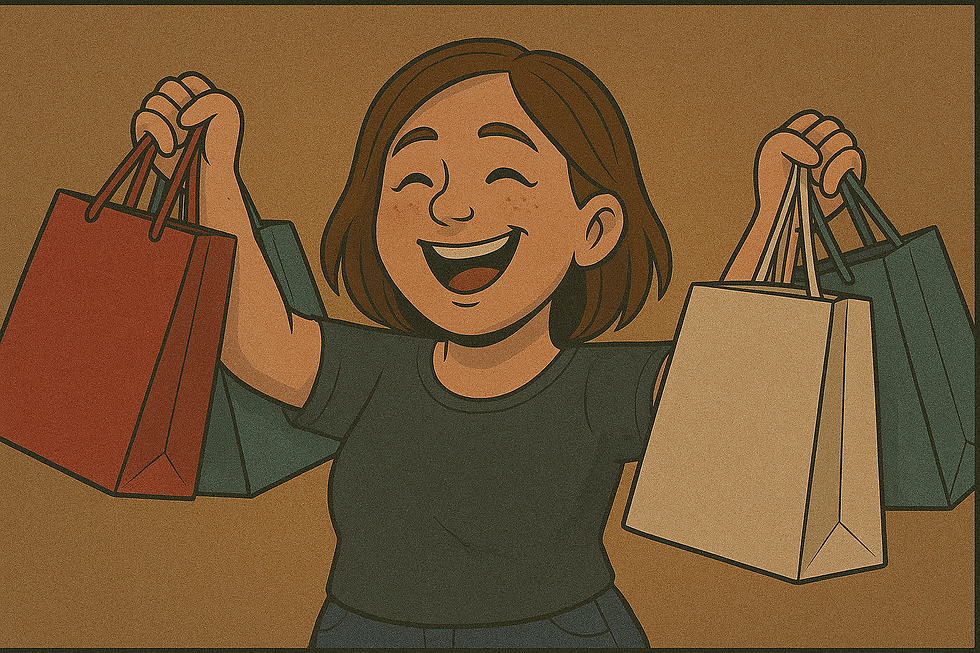
This one is pretty self explanatory. My biggest impulse is spending money. I often will lean on this as an unhealthy coping mechanism. It is something I am still working on.
Inappropriate, intense anger or difficulty controlling anger:
This is something that I still struggle with. I just feel a lot of anger at times. I sometimes will feel angry at the fact that I have to deal with this, and sometimes I am mad at myself for my own actions. This is usually taken out on my partner or my parents. This is because, according to my therapist, we take things out on those closest to us because we feel comfortable with them and we know that they will not leave us. The last part is mostly for my parents because no matter what I have done in my life they have always stood by my side. Men... not so much, rightfully so.

A pattern of unstable and intense interpersonal relationships (extremes between iodization and devaluation):
This one is similar to how I view myself just with other people. I usually apply this to my partners. It usually starts out with them on a pedestal then I begin to slowly tear down them in my mind until I eventually despise them. This does not really happen anymore thankfully.

Recurrent suicidal behavior, gestures, threats, or self-harming behavior:
This was a big struggle in the beginning from about age 13 until about 2 years ago I had suicidal thoughts on the daily. I just couldn't see living with all the problems in my life. I couldn't see that there was ever a light at the end of the tunnel, but there was. I would make threats of suicide and voice my suicidal thoughts almost daily as a cry for help. I have never participated in self-harm of any kind thankfully, but I know many people who have and I can understand their reasoning. That is a topic for a different time though.

Transient, stress related paranoid ideation or severe dissociative symptoms:
I still struggle with this. I often go through times where I will self isolate and have that feeling of am I really here? That sounds crazy, but it is more of a fleeting thought. Like what is reality? Then I quickly say okay... This is real. I have had times of paranoia where I thought that people did not like me, when in reality they were wondering the same thing about me. This is something that happened a lot in high school. Many friendships ended because I stopped engaging in the relationships due to thinking they no longer wanted to be my friend. I am a little better at this now because I am able to combat my thoughts and say: okay what proof is there that they don't like you? The answer is usually there isn't any.

Love with the volume turned up
When I was really going through this, after graduating high school especially, I experienced this feeling. Relationships I had were very intense, even if that intensity was one sided. I constantly fell way faster than should happen and those relationships felt like oxygen to me. I could not function unless I was in a relationship. If it was in threat of ending, I would mentally freak out and scramble to keep the relationship alive when it was already dead. Or sometimes I would just push everyone away and isolate myself so I would not feel that loss as hardcore, did not work by the way. I also knew that I was not easy to love, I was fully aware that I had problems, but I did not know how to control my behavior or my mind.

The emotional rollercoaster
I often would experience this rollercoaster of emotions. I would feel so "high" that I couldn't come down, this is mania. Then I would feel so low that I felt that I could never come back up, this is the depressive side. This was the biggest reason that I thought that I was bipolar. However, I did not know enough about BPD at the time to even consider it. The most psychology classes I took, the more I understood this to be a possibility.
These manic episodes were the things I could live with. I would get on a kick of something I wanted to do or a new interest in something and go full bore in it. I remember a few years ago I convinced myself I would be a nail tech. I created a little corner in my house in which I was going to do nails, ordered all this stuff to be professional. I stayed up virtual all night creating a price list, doing research and just riding the high of the excitement of my new idea. I wasn't terrible at doing nails and I could have stuck this out. But the idea fizzled extremely fast and I quickly gave up on the idea.

The depressive episodes though, were the worst times of my life. I could not see any solution to my so called problems. These emotions would crash into me and I felt like I was drowning just trying to stay above water. I often would go through intense periods of self isolation. I would not want anyone to talk to me and I would not want to talk to anyone else. It was my way of not allowing myself to hurt others. In my head, they didn't deserve to deal with me, however imagined that actually was.
I would often go through this cycle when it comes to my anger: anger outburst on a loved one, then immediately feel guilty, then feel shame, then self isolate. This could happen within one afternoon. It is like I can't control myself. I know what to say to hurt someone and if upset, I will say that. I now know to walk away from a conversation and ask for space to calm down, but it does still happen on occasion. I have hurt many people with words and burned many bridges because of this. When these intense feelings would happen whether it was mania, depression, or anger, I would always ask myself: why am I like this?!
Identity like shifting sand
This part is something that is so difficult for someone who has not experienced it to understand. I would experience feeling amazing, thinking I could conquer anything. But then, all of a sudden my mind would argue this and I would suddenly feel as if I never deserved happiness and was a burden on all my loved ones. It was honestly so hard to understand my own emotions. Confidence came in waves and it was extremely hard to deal with. I had a hard time even knowing who I was at my core because I was so distracted by my intense emotions.
The quiet battles
Over time, I got very good at hiding my problems. People would be shocked to hear that I had been struggling as I was. Obviously the people that were closest to me knew all too well what I was going through. But I got very good at acting the part. I would be talkative and attentive when I was around others. But when I went home, it all came flooding out how I was really feeling. I think that was the most difficult part, keeping up with the act. I now wear my emotions on my sleeve. I am very open about my experiences and that has helped me to make connections with people who may be struggling as I am/was and help them to know that they are not alone. I often felt that no one could ever understand how I felt. I also felt that I was too much and no one could love me for who I was. This specific thought was drilled in my head by my ex husband. But you can read more about that here:
Understanding BPD and PTSD *TW: Eating disorders, suicidal ideation, alcohol use, domestic abuse* Overall, dealing with all of this was mentally exhausting and I often just felt like giving up so I could just stop dealing with everything that was plaguing my mind.

The Beauty No One Talks About
There is a lot of stigma about BPD and many people think we're crazy, unable to love, or just bad people. However, because of my disorder, I feel as though it does give me some good qualities. I can sometimes possess empathy that others may not have. Sometimes I struggle with empathy in certain situations. However, I do know that I can usually understand someone's actions better than the typical person. I also have a lot of creativity, passion, and intensity. When it is channeled, this is something very useful for me. I have a huge passion about helping those who are mentally struggling. Although I may not reach as many as I would like, my ultimate goal is to reach at least one person who is struggling. I also have a passion for photography, animals, writing, reading, and many other things. I sometimes slack on things but, I ultimately find joy in participating in those hobbies of mine. I have recently discovered that I really enjoy keeping aquariums. I have expanded them so much over the past year or so. I now have 11 fish, 4 shrimp, 6 snails (and a cluster of eggs), and a turtle. I have discovered that this keeps me busy tending to them and is rewarding to me in the way gardening is for me in the spring/summer. I have 4 different tanks and I really enjoy growing the collection and learning more about the various aquatic life I have.

Healing Isn’t Linear
Over many years I have seen 6 different therapists. This last one as I mentioned I have been with for almost years now. It can be extremely hard to find someone that you can be open with, but half the problem for me was being honest. I was afraid to be honest because I was afraid of what someone would think or if they would lock me up. My therapist understood when I said that although I felt like I wanted to die, I did not really want to, I just wanted to feel happy again.

I do a lot of Cognitive Behavioral Therapy (CBT) and some Dialectical Behavioral Therapy (DBT). The difference is that CBT is more of talking about your feelings with a professional, whereas DBT is more about using exercises that are tailored to understanding certain thought processes and working on retraining your thought patterns. I also have been on antidepressants and this plays a huge part in my behaviors. I was unmedicated for many years. I would go on them then off of them. I wanted to be able to feel happy without needing medications, or to feel "normal". However, a pharmacist once told me that the most common medication that they fill is mood stabilizers. That really helped me to feel like okay maybe this is more common than I thought. My therapist also told me that more people are in therapy than I realize, many just don't talk about it, and that it doesn't mean that I am crazy, it just needs I need some help.
It took a lot to learn about my disorder and myself. I am still learning every day. I had to learn how to create boundaries with myself and others. I had to learn that I can stand up for myself without hurting someone's feelings. Most of the time it is how my brain processes something that is the problem. So, if I ever get upset about something, I know to communicate this to that person by using "I feel" statements. For example, when you say that, I feel this. This is something I still do. Most of the time, it is just how I am perceiving something, and not how the person is trying to say it.
I also have to learn to respond to something instead of reacting. This means walking away from something when I am feeling that I might be getting upset. This is particularly important in romantic relationships. My boyfriend took a while to understand that I sometimes need space and sometimes I am not the best at communicating that. Sometimes I literally just walk away. This is when my anger is really rearing it's ugly head and I need to walk away before I say something I cannot take back. It is important for me to remind myself of the toothpaste theory. Once you let the toothpaste out of the tube it is almost impossible to put it back. This is true with things we say. I cannot take back something I have said, therefore, I need to walk away and cool off and come back when I am calm. Otherwise, I will say something I regret and can't take back.

I also had to learn that it is okay to not be okay. We all go through struggles. If you say, eh life has been easy, no struggles here, you are lying to yourself. Everyone has their own struggles. I went to therapy for 2 years and "graduated" from therapy. I was not going to therapy or taking medications for almost a year until I realized that certain events bothered me and I was struggling again. It felt and sometimes still feels like a failure or a setback. However, I am proud of myself to be able to identify that okay I am struggling and need help and got myself that help, that is a big and brave thing to do. It is also important for me to celebrate wins no matter how small. Sometimes when I am going through a rough depressive episode, I will celebrate the fact that I got out of bed each day. Other times I celebrate because I hit a milestone and accomplished something in therapy. Either time I tell myself that I am proud of myself for continuing to better myself.
What We Wish People Knew
Although I have made some very poor choices and have burned many bridges, I want people to understand that I do not choose this chaos. It is never something that I am proud of. I developed these feelings, thought processes from various events in my life in which have caused me to have a distorted perception. I am not perfect, and neither is anyone else. I do not expect anyone to be perfect and neither should anyone expect that from me. It is not an excuse, but I know that I will probably continue to make mistakes along the way. I just ask for some patience. I also wish people could understand that I just feel deeply. Sometimes it is beautifully, sometimes it is painfully. But it is not something that makes me crazy. I also would like people to understand that I am not someone to run from. I have lost many relationships, sometimes because someone doesn't understand that I am just a person trying to navigate life with a challenge as many others. It does not mean that I will hurt you. I just may need to walk away sometimes if we disagree on something and come back when I am calm and that is okay. The last thing I would like people to know is that people are not born with BPD. Although genetically, we can be more prone to developing it. It is caused from emotional/physical trauma. Through therapy, it is possible to lose the criteria for BPD, although it never really goes away. But you can retrain your brain to be able to lead a close to symptom free life, full of love and happiness.
In Conclusion
If you are someone who is living with BPD, you are not alone. You are not broken. You're growing. And someday... you'll look back and realize you have bloomed in places you once felt buried. Don't ever give up on yourself. You are worth it every single day. I am here to tell you that there is a light at the end of the tunnel, even if you cannot see it right now. It might take some work, but know that it is worth it. You deserve happiness and a beautiful life. It is possible. If you know someone who has BPD or is showing symptoms of BPD, do not give up on them. They are worth your time. Maybe show them this blog post. It is not always best to approach someone and say "hey I think you might have this!" From experience, that is NOT what you want to hear. But, it is something that can be pointed out in a gentle way. Just let them know that you are there for them and that it is okay to not be okay and that it is okay to seek help.

Here are some really helpful resources:
Immediate Help — Crisis & Suicide Hotlines
988 Suicide & Crisis Lifeline — call or text 988 any time, day or night. Confidential, free, and trained counselors will listen and help you through the crisis. SAMHSA+2988 Lifeline+2
Crisis Text Line — if talking on the phone feels too hard, you can text HOME to 741741 (in the U.S.) to connect with a trained volunteer counselor 24/7. Crisis Text Line
National Alliance on Mental Illness (NAMI) HelpLine — offers free, confidential support and information for mental health struggles (including BPD).
BPD-Specific & Mental Health Support Resources
Borderline Personality Disorder Resource Center — hotline: 1-888-694-2273. They offer support, information, and guidance for those with BPD or who suspect they might have it. Mental Health Toolkit+1
General info and guidance about BPD — what it is, how it affects people, and how to get help — via trusted mental-health education sites. HelpGuide.org+2Mental Health America+2
Support groups (peer-led) — some feel comforted by connecting with others experiencing similar struggles. Organizations like NAMI or local mental-health centers often offer or can help locate them.
Other Helpful Routes (Beyond Hotlines)
Therapy & professional treatment — BPD is treatable, and talking with a licensed therapist (especially one trained in therapies like Dialectical Behavior Therapy — DBT) can make a big difference. HelpGuide.org+2SAMHSA+2
Peer support and community — Sometimes knowing you’re not alone helps immensely. Support-groups, online forums (with caution and discretion), and community mental health services can be lifelines. Mental Health America+2nami.org+2
Education for loved ones — Loved ones often want to help but don’t know how. Sharing resources and understanding BPD helps them support you (or someone else) with compassion, not fear or judgment.
As always, thank you for taking the time to read this. I hope that I can help at least one person who may be struggling or trying to understand a loved one. You are never alone in this world!
Jacasa
Blooming Thoughts Blog